Back in the day, private jets were basically fancy buses with wings. Now? They are something else entirely. Walk through any private terminal and you’ll spot aircraft that look more like flying penthouses than transportation. The entire game changed about ten years ago when manufacturers started asking different questions. Instead of “how fast can we go?” they began wondering “what if passengers forgot they were flying?”
Engineering Excellence Takes Flight
These birds are flying at a great altitude. At 51,000 feet, the sky appears dark blue, and you can see Earth’s curve. From that height, the weather is someone else’s responsibility. The materials tell their own story. Carbon fiber everywhere. Titanium in spots you’d never think to look. These planes weigh about as much as three pickup trucks but carry the fuel of a small gas station. That math doesn’t seem right until you see the fuel burn numbers. Coast to coast on what a commercial jet burns just getting to cruise altitude? That is the kind of efficiency that makes accountants smile.
Engines have become scary quiet too. Standing next to one during ground tests feels wrong—like watching a dubbed movie where the lips don’t match the words. All that power, barely a whisper. If it weren’t for the pressure in your ears, you’d think the engines were off.
Interior Craftsmanship Reaches New Heights
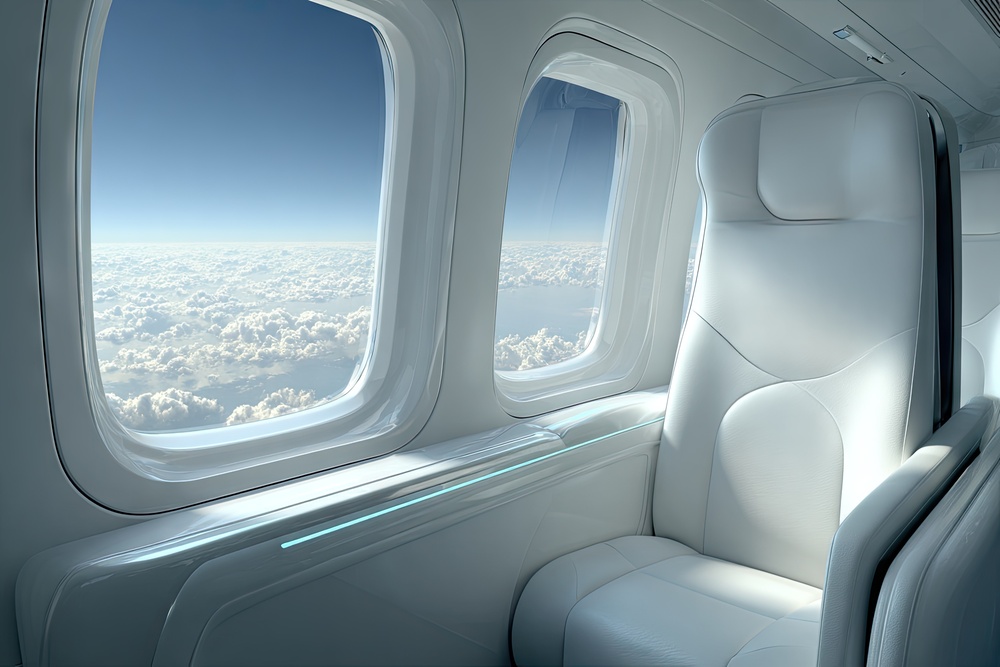
As you enter, everything immediately catches your eye. The woodwork on the VIP cabinetry is gallery-worthy. Manufacturers such as those at LifePort put their hearts into every detail. They treat every single piece as a signature, which means it is designed and intended to last. The leather has a remarkably soft texture and feels exquisite to the touch. The stitching is flawless, and the texture is inviting.
But the wild part? The air inside these jets. Regular planes dry you out like beef jerky. These new systems keep humidity at levels that won’t turn your sinuses into the Sahara. The air gets completely swapped out faster than you can microwave popcorn. Your body arrives feeling like it actually traveled in comfort, not like it got stuffed in a tube and shot across the sky.
Beds fold out from walls you didn’t know were walls. Desks appear from floors. Screens drop from ceilings. Everything hides until needed, then transforms the space completely. A bedroom becomes a boardroom in ninety seconds. A dining room turns into a cinema. It’s like those tiny house shows, except with an unlimited budget and zero compromise.
Technology Shapes Tomorrow’s Travel
The cockpit computers basically fly themselves now. Pilots become system managers more than stick-and-rudder folks. Weather radar sees storms 300 miles out and plots a course around them before passengers even notice. Flying becomes chess where the computer shows you the next ten moves. Meanwhile, passengers live in their own tech bubble. Touch this panel, the lights dim. Swipe that screen, window shades drop. Wave your hand, coffee appears (okay, a flight attendant brings it, but the request goes through instantly). The whole setup learns preferences. Board enough times and the jet remembers you like your cabin at 68 degrees with mood lighting at 40% brightness.
Conclusion
So here we are. Private jets stopped being just fast transportation and became something harder to define. It’s an office, a refuge, and a status symbol, but above all, it’s a remarkable flying machine. The whole product gets better as engineers push and designers’ dream. Those who fly this way find that the experience is now as significant as their final destination. The sky isn’t the limit anymore; it is just another place to excel.